
I was 25, running along the San Francisco Presidio waterfront when my body gave me its first quiet warning.
My legs felt heavy. Sleep had grown restless. My mood was flat — not terrible, just dulled. Still, I brushed it off. Running had always been my anchor — how I moved through joy, through grief, through everything. Walking, hiking, swimming, skiing—movement was my life.
All deeply emotional people find a way to process the world. For me, that way was always movement.
But a few weeks later, things worsened. My cycle became irregular. My skin flared. I no longer felt at home in my own body.
At first, I blamed stress. Maybe it was a blip. But as the months passed and the imbalance deepened, I started looking for answers.
Over two years, I saw more than ten doctors — in the U.S. and back home in Bulgaria. Hematologists, cardiologists, endocrinologists, OB-GYNs. Everyone had a theory: PCOS, thyroid dysfunction, adrenal fatigue, overtraining.
In the U.S., one OB-GYN prescribed thyroid meds on the spot. When I told her I didn’t even have a pharmacy on file, she looked stunned. Another handed me heavy birth control pills. I raised concerns — she dismissed them. A third warned me to stop running and said my hormones might never stabilize. I started to feel broken.
I couldn’t talk to friends. It felt too crazy, too uncertain and vague. To everyone else, I looked fine. Healthy. Normal.
The message I kept getting was clear: do less, suppress more, expect less. It wasn’t the first time I’d heard that in my life.
Not one doctor asked about my life — my nutrition, my training, my stress. No one considered how movement, food, or nervous system load might factor in. They treated symptoms as defects to be managed, not messages to be deciphered. That was the first real red flag.
At first, I trusted them. We’re taught to — as women.
I tried the thyroid meds — and felt like I might faint. The birth control left me numb and disconnected. As I did less, I felt worse. That spring, my spirit dimmed — like a light fading out.
And then, one afternoon, something in me pushed back.
What if my body isn’t the problem?
What if it’s responding — and the answer isn’t to retreat, but to give it more of what it actually needs?
That was the turning point.
I dove into research: academic papers, functional medicine case studies, stories from other women. My mother supported me completely. My grandfather, a writer on natural medicine, had left behind a lifetime of wisdom. I reread his work with new eyes over and over again.
And what I learned was simple, but life-changing.
My body didn’t need less movement. It needed more trust — in movement, in nourishment, in its own intelligence.
I stopped fearing the sun, the trail, my own legs. Movement wasn’t the problem. It was part of the solution.
I focused on food — not calories, not labels. Just real, nutrient-dense meals to support the work my body was doing to recover. I looked at blood sugar, minerals, essential fats. But more than that, I thought about nourishment: what my body needed to rebuild trust and balance.
I added gentle supports:
● Inositol, a compound that supports blood sugar and ovulation.
● Jujubes (red dates), used traditionally to nourish blood and calm the nervous system.
● Evening primrose oil, rich in GLA, for skin, hormones, and inflammation.
But most importantly, I stayed consistent — not jumping from one fix to the next, but nourishing patiently, day by day.
I spent time outside. I reconnected with herbs and healing traditions from my family. Not to “biohack,” but to honor what generations before me already knew and I had chosen to dismiss.
Within six months, my body began to come back to life.
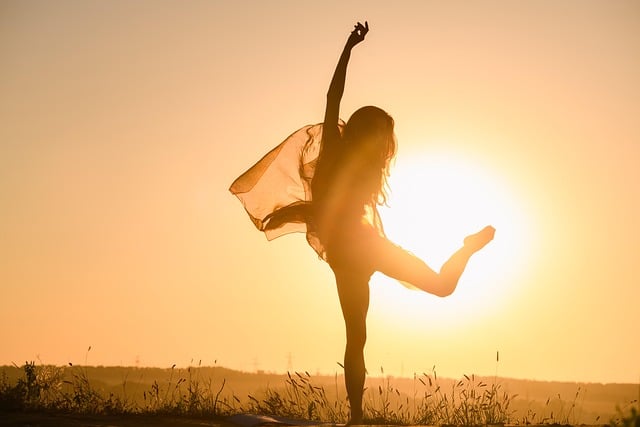
One morning, about five months in, I ran that same Presidio path. The sun was breaking through the fog, the air sharp and clear. I felt strong. Grounded. Alive. Not fragile — whole.
A few weeks later, my cycle returned. On time. Naturally.
When I repeated my bloodwork, everything had shifted. Thyroid: normal. Hormones: back in range. My doctor looked surprised — but said nothing about what I had done. I still felt dismissed.
But to me, it was a quiet, undeniable win: my body had found its way back.
The bigger shift, though, was internal.
I stopped outsourcing authority over my body. I stopped fearing my own signals — and independent thought, in a world that teaches women to be quiet and compliant.
Coming from the Balkans, I’d grown up knowing that health doesn’t belong to one system. My grandfather taught that healing comes from vitality, not withdrawal. My mother taught me the power of light, movement, and rest. But even with that foundation, I’d defaulted to the medical model — until I couldn’t anymore.
Rebuilding trust with my body changed everything.
This isn’t about rejecting medicine. I respect it deeply. When used wisely, it saves lives.
But too often, women are told to suppress symptoms instead of understanding them. We’re handed prescriptions before we’re given explanations.
To truly heal, I had to step outside the system — not to fight it, but to hear my body more clearly.
If that’s rebellion, then so be it.
Too many women walk around dismissed, misdiagnosed, disconnected.
Research shows that women are far more likely to be misdiagnosed — especially when presenting with hormonal, pain-related, or stress-linked symptoms. One study in Academic Emergency Medicine found that women are 50% more likely to be misdiagnosed after a heart attack. And across many areas of care, PCOS is often diagnosed without a full workup, as a catch-all label for hormonal issues.
Too often, we’re told to shrink from life — instead of expanding into it.
So to anyone who feels broken, I want to say this:
Your body isn’t broken.
It’s responding.
It might not need less — it might need more.
Not more suppression, but more nourishment.
Not stillness, but movement.
Not fear, but trust.
Don’t be afraid to ask questions. Don’t be afraid to rebel. Don’t be afraid to move.
That’s the change that matters most.
If this story resonates — if you’ve lived your own version of it — I’d love to hear it. That’s why I’m writing this.
As a psychology student, I see how these patterns shape us. I know how isolating it feels to sit in uncertainty, convinced you’ve failed your body.
But you haven’t.
We haven’t.
We are not broken.
We are wiser than we’ve been told.
***
***
The ManifestStation publishes content on various social media platforms many have sworn off. We do so for one reason: our understanding of the power of words. Our content is about what it means to be human, to be flawed, to be empathetic. In refusing to silence our writers on any platform, we also refuse to give in to those who would create an echo chamber of division, derision, and hate. Continue to follow us where you feel most comfortable, and we will continue to put the writing we believe in into the world.
***
WRITING IN THE DARK and CIRCE CONSULTING present CRAFT SCHOOL
This creative collaboration between Jeannine Ouellette, Emily Rapp Black, and Gina Frangello—three established writers with extensive teaching experience—is for prose writers of all levels who want to deepen and accelerate their craft through dedicated effort with close reading of acclaimed published work, an array of live (virtual) cross-disciplinary instruction, visiting writers and editors, generative writing rooms, publishing talks, small work groups, and more.
Don’t delay, open enrollment for this year long program ends on January 6th, 2026.
***
Our friends at Corporeal Writing are reinventing the writing workshop one body at a time.
Check out their current online labs, and tell them we sent you!
***
Inaction is not an option,
Silence is not a response
Check out our Resources and Readings
